

7 Best Haircuts for Fine Hair Women That Add Body

Fine hair does not need a dramatic cut to look fuller. The best haircut for women with fine hair is usually one that keeps the perimeter strong, removes only the weight that is genuinely holding the hair down, and works with your natural density rather than against it. A well-planned shape can make everyday styling feel easier, whether you prefer a polished bob, longer hair or soft movement around the face.
At a consultation, I look at more than how much hair you have. Your hairline, growth patterns, face shape, colour history and the amount of styling you realistically want to do all matter. Fine hair can look beautifully full, but it benefits from precision.
What makes a haircut work for fine hair?
Fine hair refers to the diameter of each strand, not necessarily how much hair you have. You may have plenty of fine strands but still find that the ends look wispy, roots fall flat or layers disappear quickly after a wash. The aim is to create visual density without taking away the weight that gives fine hair its shape.
A blunt or softly graduated outline often makes the biggest difference. It gives the ends a denser appearance and creates a cleaner, more expensive-looking finish. In contrast, too much thinning, razor cutting or heavy internal layering can leave fine hair looking sparse - particularly if it is also lightened or heat styled regularly.
The right choice depends on your lifestyle. A shorter cut can give instant fullness but needs more frequent maintenance. A longer cut offers versatility, although it needs careful shaping to avoid looking flat through the mid-lengths.
The best haircuts for fine hair women
1. The blunt bob
A blunt bob is one of the most reliable choices for fine hair. Cut around jaw to collarbone length, it creates a clear line at the ends and makes hair appear immediately thicker. It can be worn sleek, softly waved or tucked behind the ears without losing its shape.
For clients who want a modern but low-fuss look, a bob with a very subtle graduation at the back can add lift without looking overly structured. The key is restraint. Too much graduation can make the nape look full while leaving the front too fine.
2. The collarbone-length lob
If you are not ready to go short, a long bob is often the sweet spot. Sitting around the collarbone, it retains enough length for a ponytail while keeping the ends strong and manageable. It is especially flattering if your hair tends to become see-through beyond the shoulders.
A soft, one-length lob can look elegant and full with a centre or off-centre parting. A few discreet face-framing pieces may be added, but the overall weight line should remain intact. This is a strong option for professionals who want polished hair that does not demand a complicated styling routine.
3. A softly layered medium cut
Layers are not off limits for fine hair. The issue is usually where they begin and how many are cut in. Long, blended layers through a medium-length cut can create movement while preserving density at the ends.
This works well for hair with a natural wave or for anyone happy to use a round brush, heated brush or loose tong styling. Ask for soft surface movement rather than choppy layers. The result should feel light and flexible, not visibly carved out.
4. A French-inspired bob with a fringe
A shorter, slightly undone bob can make fine hair look intentionally airy rather than flat. A soft fringe or longer curtain fringe adds shape around the face and can create the impression of more volume at the front.
This cut is best if you are comfortable styling your fringe most mornings. Fine fringes can separate if they are left to air dry, so a quick blow-dry with a small brush makes a noticeable difference. It is also worth considering how quickly your fringe grows and whether you can commit to regular trims.
5. The structured pixie or bixie
For women who like a shorter style, a pixie or longer bixie can be incredibly effective. Fine hair often sits neatly in this shape, and carefully placed texture can create lift through the crown. It is a confident choice that puts focus on the eyes, cheekbones and neckline.
However, short hair is not automatically low maintenance. While washing and drying are quick, the shape needs refining every four to six weeks to stay sharp. It is ideal if you enjoy a regular salon rhythm and want a style with personality.
6. Long hair with a strong baseline
Long fine hair can look lovely, but it needs an honest assessment of the ends. If the last few inches are thin, dry or over-processed, keeping every bit of length may make the whole style appear less full. A stronger baseline, with only minimal long layers, usually gives a healthier result.
For clients who want to maintain length, regular small trims are more valuable than a dramatic haircut once a year. A good cut should make the hair look better immediately while supporting its condition over time.
7. Fine hair with discreet tape extensions
If your natural hair is healthy enough but you want more density than a haircut alone can provide, tape extensions can be a thoughtful option. They are not a substitute for a good cut, but the combination of a strong shape and carefully colour-matched extensions can add fullness through the sides and ends.
Placement is everything with fine hair. The extensions should sit comfortably, blend invisibly and never put unnecessary tension on delicate strands. A smaller amount, expertly fitted, often gives a more natural result than adding excessive length or weight.
Cuts to approach carefully
The least helpful haircut for fine hair is often one that removes too much from the interior. Heavy layers, over-thinning and aggressive texturising may create movement on the day, but they can make the hair harder to style once it is washed at home.
Very long hair with fragile ends can also work against you. This does not mean everyone with fine hair must have a bob. It means the length needs to be supported by enough density and good condition. If you colour your hair, regular glossing, gentle lightening techniques and bond-building care can all help it hold a cleaner shape between appointments.
Styling matters as much as the cut
Even the best shape needs the right finish. Fine hair responds well to lightweight mousse or root lift applied sparingly at the scalp, followed by blow-drying in the opposite direction to your usual parting. Once the hair is cool, return it to your preferred parting for a softer lift.
Avoid layering on too many oils, rich creams or heavy sprays, particularly near the root area. These can make fine hair separate and lose body quickly. A small amount of texture spray through the mid-lengths can give a lived-in finish, while a light hairspray helps hold shape without making it stiff.
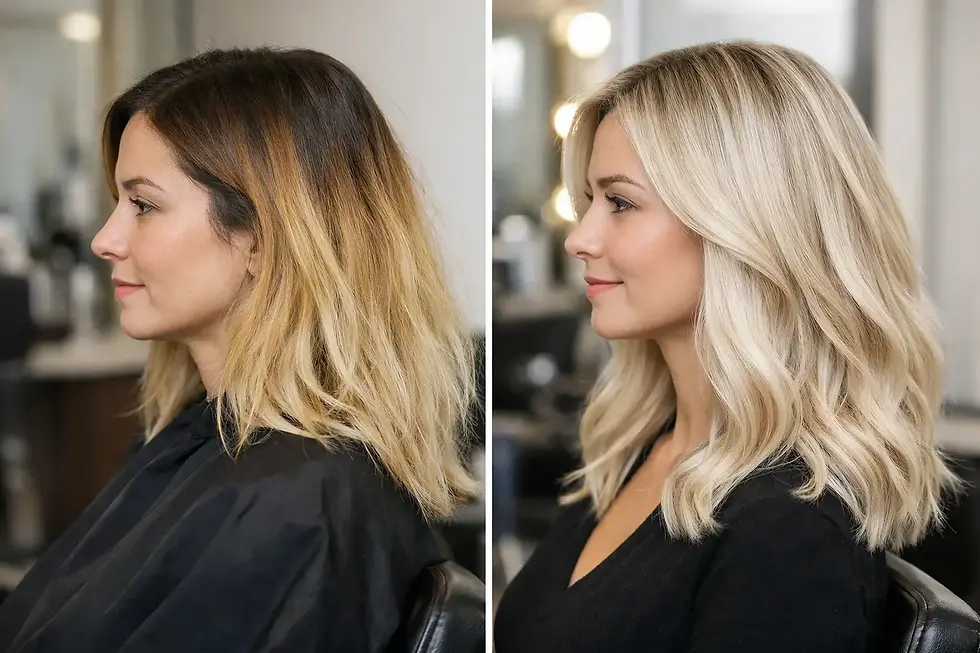
Colour can also create the appearance of more depth. A dimensional balayage, fine highlights or a softly blended root can make hair look less flat than one solid shade. The right approach should always protect the condition of fine hair, especially if it already feels fragile.
Choosing the right cut for your routine
Bring realistic expectations to your appointment. If you want to wash, air dry and go, a blunt bob or gently shaped lob is often more suitable than a layered style designed around a blow-dry. If you enjoy styling and like movement, longer layers may be worth the extra effort.
Photos are useful, but your own hair should guide the final decision. A good haircut is not about copying someone else’s density. It is about creating a shape that makes your hair look healthy, balanced and naturally full on an ordinary morning, not just when it has been professionally styled.
At Sara Styles Hair in Bethnal Green, each cut is planned around the condition, density and finish you want to wear every day. The most flattering result is usually the one that gives fine hair more presence while still feeling completely like you.
See Real Results
Explore real client results from Sara Styles Hair in East London on Instagram.
Book Your Appointment
Book your appointment at Sara Styles Hair in Bethnal Green, East London.


Comments