

Choosing a Hair Salon for Women in East London

A good hair appointment should feel considered before any colour is mixed or hair is cut. When searching for a hair salon for women east london, it helps to look beyond convenient availability and choose a stylist whose expertise matches what your hair actually needs. Whether you want softer regrowth, fuller lengths, a healthy trim or a complete colour correction, the best result starts with an honest plan.
At Sara Styles Hair, appointments are centred on wearable colour, healthy hair and personal attention. Based in Bethnal Green, Sara works with clients who want polished results that suit their lifestyle, maintenance preference and natural hair texture.
What to Look for in a Hair Salon for Women in East London
The most useful question is not simply, “Which salon is closest?” It is, “Who is experienced in the service I need?” A stylist who creates beautiful balayage may not necessarily specialise in extension fitting, while a straightforward cut and finish may not be the right appointment for hair that needs significant colour correction.
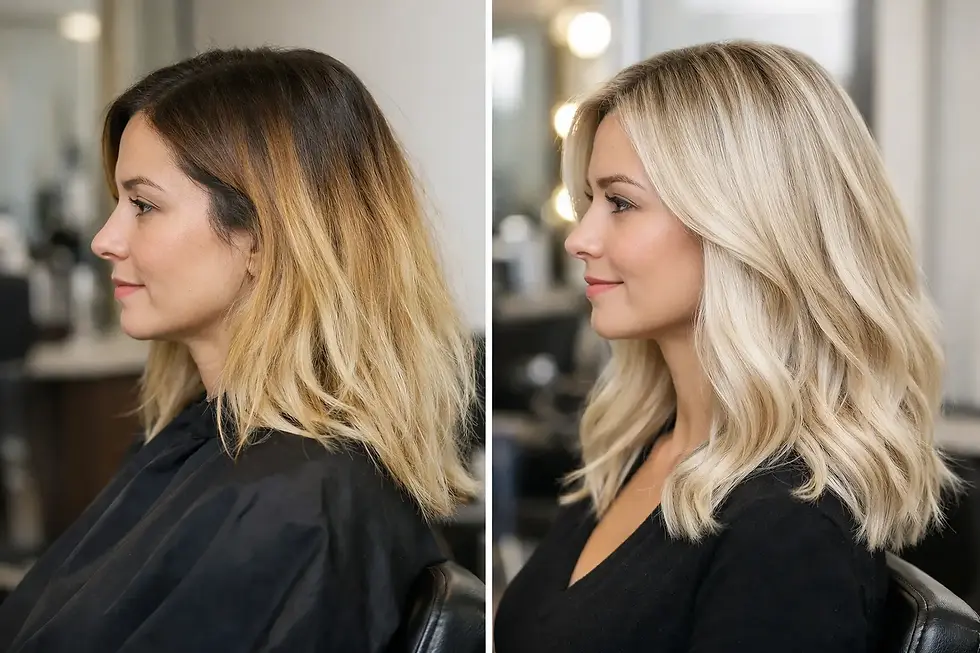
Look at a stylist’s portfolio with a practical eye. If you are considering brunette balayage, blonde work or grey blending, seek out results on hair similar to yours in depth, density and starting condition. The finish should look intentional in natural light, with thoughtful placement and a tone that complements the client rather than a one-size-fits-all trend.
Client reviews matter too, particularly when they mention consultation, long-term hair condition and how the colour grew out. A beautiful photograph on the day is valuable, but the real test is whether the hair remains wearable between appointments and whether the client feels listened to throughout the process.
Start With Your Hair Goal, Not a Service Name
Many clients arrive asking for highlights, balayage or a toner when what they really want is brighter hair that still looks soft and expensive as it grows. Those are not always the same thing. A detailed consultation allows the service to be chosen around the outcome, rather than fitting your hair into a name you have seen online.
For example, balayage is ideal for many clients who prefer a lower-maintenance, blended finish. It can add lightness through the mid-lengths and ends while keeping the root area more natural. However, if you want brightness close to the scalp or need to blend a high percentage of grey, fine highlights or a tailored grey-blending approach may be more suitable.
Colour correction needs even more care. Uneven bands, unwanted warmth, box dye build-up or very light, fragile ends can rarely be transformed safely in one rushed sitting. A specialist should explain what is realistic for the first appointment, what may take more than one visit and how the integrity of the hair will be protected along the way. Clear expectations are a sign of skill, not a lack of ambition.
Colour That Looks Natural Between Appointments
The most flattering colour is rarely about going as light or as dark as possible. It is about creating dimension, shine and a tone that works with your skin, wardrobe and everyday styling. This is especially relevant for professionals who want hair to look refined on a busy morning, not only when it has been freshly styled in the salon.
A thoughtful colour appointment considers your natural base, previous colour history, porosity and the time you want to spend maintaining it. Someone happy to visit regularly may choose a cleaner, brighter blonde. Someone who prefers a softer schedule may benefit from lived-in colour, a root melt or carefully placed face-framing pieces that grow out more gently.
Toners are also more than a finishing touch. They refine the warmth or coolness of lightened hair, restore shine and can make colour feel fresher without another full lightening service. The right toner depends on the hair beneath it, so an experienced stylist will avoid promising a shade that the current canvas cannot support.
Healthy Hair Is Part of the Result
Colour and condition are closely linked. Hair that is dry, over-processed or weakened by heat styling may not reflect light well, even if the shade is technically correct. That is why a quality salon experience should include a conversation about the condition of your hair, not just the colour you want to see in the mirror.
Olaplex treatments can support hair during and after chemical services by helping to strengthen compromised bonds. They are particularly useful for lightened hair, but they are not a substitute for sensible colour planning or consistent home care. Regular trims, heat protection and the right professional products all contribute to healthier-looking lengths.
Keratin treatments can be another option for clients dealing with frizz, rough texture or time-consuming styling. The goal is not to make every hair type pin-straight. A well-chosen treatment can make hair smoother, more manageable and easier to style while retaining movement. It depends on your hair’s condition, previous services and the finish you would genuinely like to wear.
Tape Extensions Should Feel Like Your Own Hair
For added length, volume or help through a difficult grow-out phase, tape hair extensions can create a very natural-looking result. The key is not simply adding more hair. It is selecting the right shade blend, length, weight and placement for your own hair.
A good fitting should be discreet when your hair moves, sits comfortably against the scalp and allow you to wear your usual parting. Extensions that are too heavy, too obvious or poorly positioned can create unnecessary tension and make styling harder. Fine hair often needs a lighter, more selective approach, while thicker hair may need more density to blend the ends convincingly.
Maintenance is essential. Tape extensions need regular refitting as your natural hair grows, and home care should be adapted to protect both your own hair and the bonds. During a consultation, a specialist should be open about the commitment, cost and aftercare involved. The right choice is one that fits your routine, not one that feels difficult to maintain from week one.
A Consultation Should Leave You Clear, Not Confused
The strongest consultations are collaborative. You should be able to explain what you love, what has not worked before and how much maintenance feels manageable. Bring inspiration if it helps, but also be prepared to discuss your natural hair, past colouring, heat habits and any concerns about thinning, breakage or an awkward previous cut.
Your stylist should then translate that information into a clear recommendation. This may include a different service than you expected, a staged colour plan or advice to prioritise condition before making a major change. There are occasions when the best decision is to keep things subtle for now, especially where hair has been heavily lightened or recently coloured at home.
You should also know what your result will require afterwards. Ask how often you are likely to need a toner, trim, colour refresh or extension maintenance. Knowing this upfront makes it easier to choose a look that remains enjoyable rather than becoming another item on a demanding to-do list.
Choose Skill, Trust and a Result You Can Wear
A salon appointment is personal. You are trusting someone with the condition, shape and colour of hair you live with every day, so it is worth choosing carefully. A specialist who takes time to assess your hair and explain the options can help you avoid the disappointment of a rushed decision or a result that feels unlike you.
For women in Shoreditch, Hackney and the surrounding area, a one-to-one appointment in Bethnal Green offers the space to focus on the details: blended colour, healthy-looking shine, comfortable extensions and a cut that works after you have styled it yourself at home.
The right hair appointment should leave you feeling more like yourself, only more confident. Choose a stylist who can see both the result you want now and the healthy, wearable route to maintaining it.


Comments