

How Tape Extensions Feel in Everyday Life

A well-fitted set of tape extensions should feel like extra hair, not a constant reminder that something is attached to your scalp. If you are wondering how tape extensions feel, the honest answer is that they feel noticeable at first, then increasingly natural once you have had a few days to adjust. The difference lies in the fitting, the weight chosen for your own hair and how well the extensions are blended into your cut.
At Sara Styles Hair in Bethnal Green, tape extensions are selected and fitted with comfort and natural movement in mind. They are not meant to feel tight, bulky or painful. Knowing what is normal in the early days can make the experience far more reassuring.
What tape extensions feel like when first fitted
Tape extensions are fitted in small, flat sections, with your natural hair held between two adhesive tabs. Directly after your appointment, you may feel the individual tapes when you touch close to your roots. This is completely expected. They sit flat against the head, but they are still a new sensation, particularly if you normally wear your hair loose and have never had extensions before.
Some clients describe the feeling as a gentle awareness or slight pressure at the scalp for the first two or three days. You may notice this most when tying your hair up, resting your head on a pillow or moving your hair from one side to the other. It should settle as your scalp gets used to the added hair.
The extensions themselves should not feel excessively heavy. A specialist fitting is about more than choosing a beautiful shade or length. The number of tapes, the amount of hair in each section and their placement need to suit the density and condition of your natural hair. Fine hair needs a lighter approach than thick hair, for example. More hair is not always better if it compromises comfort or puts unnecessary strain on your own lengths.
How tape extensions feel after the first week
Once you are used to them, most clients stop actively noticing their tape extensions during the day. You will still be able to feel the tabs if you run your fingers over the roots, especially around the sides and back of the head, but they should not be obvious in normal movement.
The biggest difference is often visual as well as physical. Your hair can feel fuller when you gather it into a ponytail, brush it or run your hands through the lengths. If you have chosen extensions for volume, there is more hair to work with and style. If you have added length too, your ends may feel more substantial than you are used to.
A good set should move with your hair. It should not look or feel stiff, separate into thick blocks, or pull when you turn your head. There is a short adjustment period, but persistent discomfort is not something to simply tolerate.
Sleeping, tying it up and exercising
Sleeping with tape extensions is usually the part clients think about most before their appointment. During the first few nights, you may be aware of the tape tabs when your head rests against the pillow. A loose, low braid helps keep the hair controlled and prevents the lengths from tangling while you sleep. Avoid going to bed with damp hair, as this can make the extensions harder to manage and affect the adhesive over time.
When putting your hair up, take a little more care around the root area. A very high, tight ponytail may make the tapes feel more apparent, especially while they are new. Softer styles, low buns and loose ponytails are generally more comfortable. With thoughtful placement, tape extensions can still be worn up, but the most suitable styles depend on where the tapes have been fitted and the thickness of your natural hair.
You can exercise with tape extensions. The main consideration is sweat and aftercare, rather than the movement itself. Tie your hair back gently, then dry the root area after a workout rather than leaving it damp for hours. This helps keep both your scalp and the adhesive in better condition.
Washing and brushing: what feels different
Washing extensions should not hurt, though it does require a slightly more considered routine. Keep conditioner and masks away from the tape tabs, as rich products can affect the adhesive. When cleansing, work gently around the roots rather than rubbing the tapes aggressively.
Wet hair is more vulnerable to pulling, so support the lengths while brushing and start from the ends. A suitable extension brush should glide through the hair without catching at the bonds. When you reach the root area, hold the hair just above the tapes and brush around them with care.
You may find that your drying routine takes a little longer because there is simply more hair. Make sure the roots and tape area are fully dry after washing. This is a practical part of extension maintenance, not a difficult one, and it soon becomes routine.
What should not be normal
There is a clear difference between a brief settling-in period and a fitting that needs attention. Tape extensions should not cause sharp pain, headaches that continue beyond the first few days, burning, itching, sore spots or visible tension at the root.
You should also contact your stylist if a tape is slipping, folding, sitting unusually close to the scalp or catching whenever you brush your hair. Trying to pull, trim or reattach a tape at home can damage your natural hair and make the issue harder to correct.
Discomfort can happen for a few reasons. The section may be too heavy for the hair it is attached to, a tape may have been placed too close to the scalp, or the hair may be caught at an awkward angle. Sometimes a client simply has a sensitive scalp and benefits from a lighter, more spaced-out application. This is why a personal consultation matters. Tape extensions are not a one-size-fits-all service.
The right fitting makes extensions feel lighter
The best tape extensions are often the ones people do not notice. They add fullness, length or both, while still allowing you to wear your hair in a way that feels like you. That starts with matching the extension colour carefully, but it also means assessing your natural hair honestly.
If your hair is fragile from previous colour work, fine around the hairline or recovering from breakage, the extension plan should be adapted. A lighter amount of hair, shorter length or focus on volume may be the better choice. A skilled stylist will prioritise the health of your natural hair over creating an overly heavy result for one photograph.
Maintenance appointments also affect comfort. As your own hair grows, the tapes move further away from the scalp. They can begin to feel less secure, more visible or harder to style if they are left too long between refits. Most tape extensions need removing, cleaning and refitting approximately every six to eight weeks, depending on growth, aftercare and the condition of the adhesive.
A comfortable result should build confidence
Tape extensions can feel unfamiliar for a few days, particularly if you are adding significant volume or length for the first time. But after that settling-in period, they should feel manageable, secure and natural enough to support your normal routine.
If you are considering tape extensions in East London, choose the result that suits your hair rather than the heaviest option available. The right placement, weight and aftercare make all the difference between extensions you keep adjusting and hair you genuinely enjoy wearing.
See Real Results
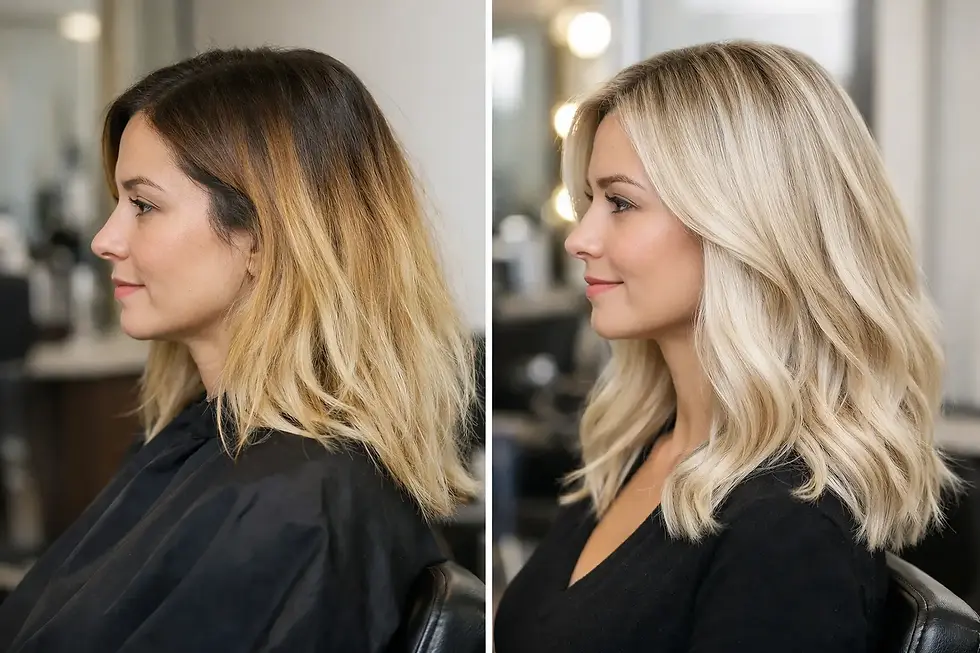
Explore real client results from Sara Styles Hair in East London on Instagram.
Book Your Appointment
Book your appointment at Sara Styles Hair in Bethnal Green, East London.


Comments