

Balayage vs Full Highlights: Which Suits You?

A client may ask for bright, blonde hair, then show me two very different reference photos: one with soft, sunlit ribbons through the lengths and another coloured almost from root to tip. That is the real question behind balayage vs full highlights. Both can create beautiful dimension, but they are designed, applied and maintained differently.
The right choice is not simply about whether you want to be blonder. It comes down to how visible you want the colour to be at the root, how often you would like to visit the salon, your current hair condition and the finish that feels most like you. At Sara Styles Hair, each colour appointment starts with those details, so the result is wearable, healthy-looking and tailored rather than copied.
Balayage vs Full Highlights: The Key Difference
Balayage is a hand-painted lightening technique. Colour is placed where the hair would naturally catch the light, usually with a softer, more diffused transition from the root into the mid-lengths and ends. It can be very subtle or noticeably bright, but its signature is that grown-in, blended effect.
Full highlights use foils throughout the whole head. Fine sections of hair are woven and lightened from close to the root through to the ends. This creates a more consistent lift and a brighter overall result, particularly around the crown, sides and underneath layers.
Neither technique is automatically better. Balayage gives a softer root and more space between lightened sections. Full highlights offer more lift from the scalp and can create a cleaner, lighter blonde in one appointment when the hair is suitable. The best result often borrows elements from both, such as hand-painted brightness through the ends with carefully placed foils around the hairline.
Choose Balayage for a Soft, Grown-In Finish
Balayage suits clients who like colour that looks effortless as it grows. Because the lightness does not usually begin directly at the root, there is no obvious regrowth line. This makes it a practical choice if you prefer longer gaps between major colour appointments or want a lower-maintenance blonde, brunette or warm caramel finish.
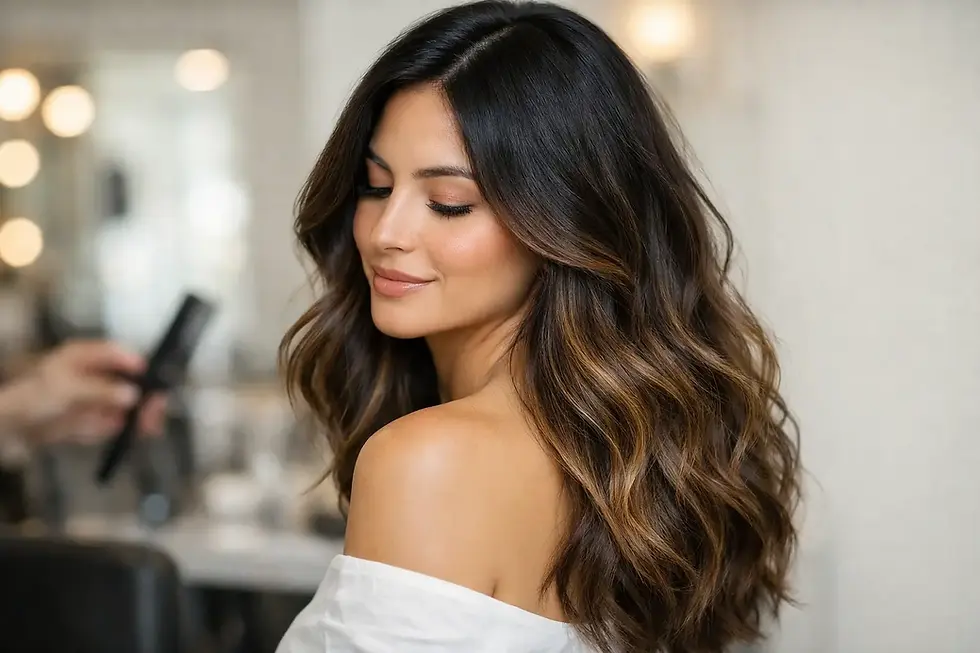
It works especially well on clients who want dimension without changing their whole base colour. A brunette balayage can add softness and movement without making the hair feel overly highlighted. On blonde hair, a painted balayage can keep the lengths bright while preserving depth near the scalp, which often makes the colour look more expensive and natural.
The limitation is that balayage is not always the fastest route to an all-over, very light blonde. Hand-painting has to be placed strategically, and previously coloured hair may lift unevenly. If you have dark hair, old box colour or bands from an earlier colour service, achieving a pale result safely may require more than one session. Protecting the integrity of your hair is always more valuable than rushing the process.
Balayage also needs thoughtful placement. A rushed or overly broad application can leave the hair stripey, patchy or too warm through the mid-lengths. Fine sectioning, appropriate saturation and a well-chosen toner are what turn a balayage from simply lighter hair into a polished colour transformation.
Balayage may be right for you if...
You want a softer root, natural-looking dimension and a colour plan that can usually be refreshed every few months. It is also ideal if your schedule is busy, you are growing out previous highlights, or you want to ease into being lighter without committing to regular root-to-end foil work.
Choose Full Highlights for Maximum Brightness
Full highlights are for clients who want to see lightness everywhere, not only around the face and ends. Foils allow a stylist to work close to the root with control, creating a more even blonde result and lifting finer sections more thoroughly than many painted applications.
This technique is particularly effective when you want a classic highlighted blonde, a brighter overall look or better blending for scattered greys. Fine, closely placed foils can break up the contrast between natural regrowth and grey strands, leaving the result softer than a solid root colour while still looking noticeably fresh.
Full highlights can also be an excellent route for clients whose ends are already light but whose root area has become too dark. Adding foils through the top and sides reconnects the colour from root to length. For someone who wears their hair up often, including foils underneath can make a meaningful difference too, as the colour looks considered from every angle.
The trade-off is maintenance. Because highlights begin nearer the scalp, regrowth is more visible than with a root-shadowed balayage. Most clients choose to refresh full highlights more regularly, depending on their natural shade, how bright they like the result and how quickly their hair grows.
Full highlights may be right for you if...
You want to look visibly lighter from the root, prefer a classic all-over blonde effect, or need more controlled grey blending. They can also be the more suitable option when a balayage no longer feels bright enough around your face or crown.
How Maintenance Differs
Balayage is often described as low maintenance, but that does not mean no maintenance. The painted areas can still become warm, dry or dull without the right care. A toner or gloss appointment can refresh the shade between larger lightening sessions, while a trim and conditioning treatment keep the ends looking clean and healthy.
Full highlights generally need a more regular colour schedule because the new growth sits beside brighter foils. That said, the timing is personal. Fine highlights with a soft root melt can grow out more gently than bold, high-contrast sections. If you like your blonde very fresh and close to the scalp, you may choose appointments more often than a client who enjoys a lived-in finish.
At home, both services benefit from professional shampoo and conditioner chosen for your hair’s needs, heat protection and sensible use of purple shampoo. Overusing violet products can leave some blondes flat or slightly dull, particularly on porous ends. The aim is a clean, balanced tone rather than hair that looks grey or over-processed.
What About Hair Condition?
Lightening is a chemical service, so your starting point matters. Fine hair, heat damage, previous bleaching, dark artificial colour and uneven colour history all affect what is realistic in one appointment. A responsible colour plan considers the hair’s strength before choosing the lightening technique.
Balayage can leave more of your natural hair untouched, which is helpful if you want brightness while keeping depth and condition. However, it is not automatically gentler than foils. Both techniques can be performed carefully, and both can cause damage if hair is pushed too far or lightened repeatedly over old lightened areas.
Full highlights can be very controlled because the hair is sectioned precisely in foils. This makes them useful for targeted brightening, but it also means a full head involves a larger amount of lightened hair. Bond-building care such as Olaplex and a realistic maintenance plan can support the condition and shine of coloured hair, especially when you want to become significantly lighter.
If your hair has been coloured elsewhere and you are unhappy with brassiness, dark bands or uneven patches, it may be a colour correction rather than a straightforward balayage or highlights appointment. Being honest about your colour history at consultation protects your hair and allows for a clearer plan.
The Importance of Toner, Root Melt and Face Framing
The lightening technique creates the canvas, but the finishing details create the final look. A toner refines unwanted warmth and can make blonde, beige, honey, caramel or cool brunette tones look more polished. It does not permanently lighten the hair, so it may need refreshing as it fades.
A root melt adds a softly blended shade near the scalp. It is often paired with balayage to make the transition look even more natural, but it can also soften a full highlight result for clients who want brightness without a sharp root line.
Face-framing pieces are another useful detail. A brighter money piece can make the colour feel fresh and noticeable, while a softer frame gives light around the face without overwhelming the overall look. These choices are adjusted to your skin tone, haircut, parting and how you normally wear your hair.
Which Option Is Best for Your Lifestyle?
If you enjoy a relaxed, dimensional colour and do not want to chase regrowth every few weeks, balayage may suit you best. If you love a brighter root-to-end blonde, wear your hair up regularly or want more consistent grey blending, full highlights may be the stronger choice.
Your haircut and extensions can influence the decision too. Long layers show off balayage beautifully because the painted ribbons move through the ends. For clients wearing tape extensions, matching the colour placement across natural hair and extensions is essential, whether the finish is softly blended balayage or brighter highlights.
A consultation is where the decision becomes straightforward. Bring reference images, but focus on what you like about them: the brightness, the root softness, the tone or the overall contrast. A skilled stylist can then assess your hair, explain the maintenance and create a colour plan that fits your routine.
For clients in Bethnal Green, Shoreditch and Hackney, the best colour is the one that still looks good after the salon finish has softened and real life has taken over. Choose the technique that supports the way you want to look and maintain your hair, then give it the care it deserves.
See Real Results
Explore real client results from Sara Styles Hair in East London.
Book Your Appointment
Book your appointment at Sara Styles Hair in Bethnal Green, East London.
Explore real client results from Sara Styles Hair in East London: View on Instagram
Book your appointment at Sara Styles Hair in Bethnal Green, East London: Book Now


Comments