

Hair Gloss vs Toner: Which Does Your Colour Need?

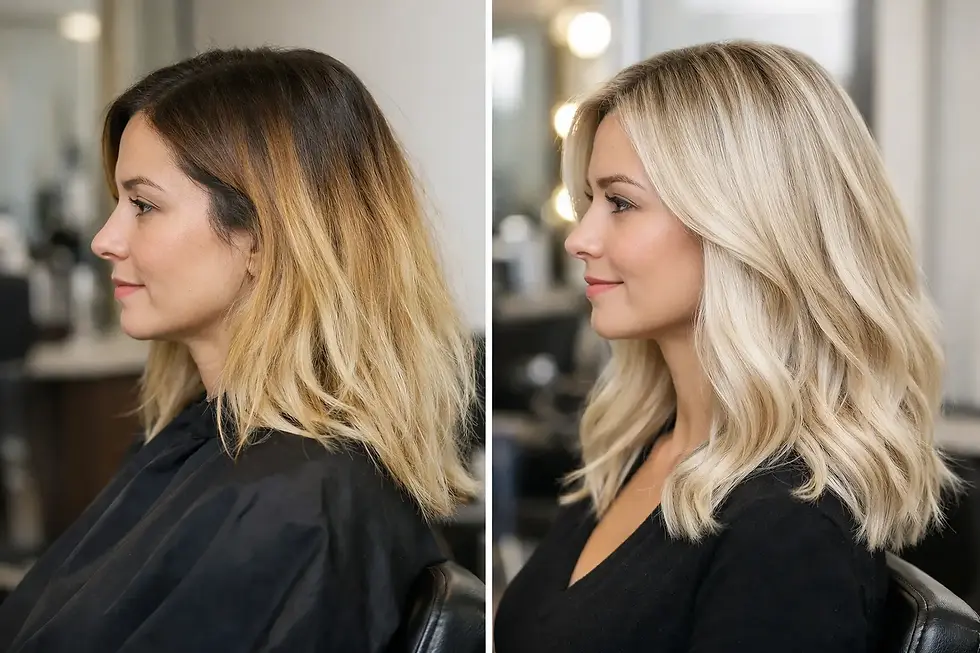
Fresh highlights can lose their softness long before your next colour appointment. A warm cast can appear through blonde pieces, while brunettes may notice faded ends that no longer reflect light. When comparing hair gloss vs toner, the right choice depends on whether your hair needs a tonal correction, more shine, or both.
At Sara Styles Hair, colour maintenance is tailored around your existing colour, hair condition and how you want it to grow out. The aim is never to create a flat, over-toned result. It is to keep your colour polished, natural-looking and wearable between larger appointments.
Hair Gloss vs Toner: The Main Difference
A toner is primarily used to adjust the tone of the hair after lightening or when unwanted warmth starts to show. It works by adding carefully chosen pigments to counteract yellow, orange or overly warm tones. For example, a blonde may need a cool beige finish rather than an icy one, while a brunette balayage may benefit from a softer, more neutral result.
A hair gloss is more focused on enhancing shine, refining tone and improving the overall look of the hair. It can be clear or lightly tinted, depending on the result needed. A gloss is particularly useful when colour looks dull, porous or slightly faded but does not require a major correction.
In practice, the line between the two can overlap. Some professional glosses deposit tone as well as shine, and some toners leave the hair looking noticeably glossier. What matters is the formula, your starting colour and the finish you are trying to achieve - not simply the name printed on the service menu.
When a Toner Is the Better Choice
A toner is usually the more targeted option after highlights, balayage or a full blonde transformation. Lightened hair naturally reveals warm underlying pigment over time, especially after washing, heat styling and sun exposure. This is not a sign that your colour has gone wrong. It is a normal part of maintaining lifted hair.
If your blonde has turned too yellow, your caramel pieces look too orange, or your cool brunette has become overly red, a toner can rebalance the shade. The result should still suit your skin tone and lifestyle. Very ash-heavy toning may look striking initially, but it can fade unpredictably on porous hair and may feel too muted for clients who prefer warmth.
Toners are also useful after a colour correction. Once unwanted bands or uneven warmth have been lifted and refined, toning helps bring the different areas together for a more even finish. This is where professional colour matching makes a visible difference. The right tonal direction is often more nuanced than simply choosing purple for yellow or blue for orange.
For grey blending, a toner can soften the contrast between natural silver regrowth and coloured lengths. It will not permanently cover grey hair, but it can make the transition look more intentional and less harsh while keeping the overall colour fresh.
When a Hair Gloss Makes More Sense
A hair gloss is ideal when your colour is broadly where you want it, but the finish has lost its expensive-looking shine. It can revive the reflective quality of brunette hair, make red tones look richer, and bring balayage back to life without committing to another full colour service.
Clear glosses are especially helpful for hair that feels a little lacklustre after heat styling, holidays or regular washing. They do not lighten the hair or dramatically change your colour. Instead, they enhance the condition and surface appearance, creating a smoother, healthier-looking finish.
A tinted gloss can be a lovely middle ground for clients who want a subtle seasonal adjustment. A beige gloss may soften an overly bright blonde, while a warm chocolate gloss can add depth to faded brunette lengths. These changes are generally gentle and temporary, making gloss appointments a useful option if you want to maintain your colour without repeatedly processing the hair.
For tape extension clients, glossing the natural hair can also help keep the colour blend looking harmonious. Extensions do not respond to colour in the same way as natural hair, so the shade match should be considered carefully before any tonal service is applied.
How Long Do Glosses and Toners Last?
Neither a gloss nor a toner is permanent. Most results last around three to six weeks, although this varies with hair porosity, your home-care routine, water quality and how often you wash your hair. Very lightened or damaged hair may take colour quickly but release it faster, while healthier, less porous hair can hold tone differently.
Frequent use of hot tools, clarifying shampoos and swimming can also shorten the life of the result. This does not mean you need to avoid washing your hair or styling it. It simply means your maintenance plan should be realistic for your routine.
For many balayage clients in Bethnal Green and across East London, a gloss or toner appointment between full colour services keeps the hair looking cared for without over-lightening it. It is often a more hair-conscious approach than adding more highlights each time the colour starts to feel less bright.
Will a Gloss or Toner Damage Your Hair?
When selected and applied correctly, a gloss or toner is generally a low-commitment colour service. It does not have the same lifting action as bleach, so it is often a good option for refreshing colour while giving previously lightened hair a break.
That said, every head of hair is different. If your lengths are highly porous, heavily bleached or affected by previous colour correction, the formula needs to be chosen with care. An overly cool toner can grab on very pale, porous areas, while repeated tonal services without suitable care may leave some hair feeling less soft.
Condition remains part of the conversation. Treatments such as Olaplex can support hair that has been lightened, while a keratin treatment may be more appropriate for someone whose main concern is frizz and manageability. These services solve different problems, so a proper consultation prevents unnecessary layering of treatments.
Choosing the Right Finish for Your Colour
The best question is not, “Should I book a gloss or a toner?” It is, “What is my colour doing now, and what would I like it to do?” If the issue is obvious brassiness or a shade that needs correcting, toning is likely to be the priority. If your tone still feels right but the hair appears dull or faded, a gloss may be the better fit.
Sometimes the answer is both. A bespoke glossing formula can refine warmth while adding shine, particularly after balayage or a lived-in blonde service. The benefit of seeing a specialist stylist is that the formula can be adjusted to your hair rather than relying on a one-size-fits-all shade.
Bring photos of your colour when it looked its best, along with any inspiration images. They help show whether you are drawn to creamy, cool, golden, neutral or richer tones. Your natural base, existing lightness and maintenance preference will guide what is achievable in one appointment.
A Better Way to Maintain Colour Between Appointments
If your colour fades quickly, it can be tempting to keep adding highlights. Often, a carefully placed toner or gloss is the more considered choice. It refreshes the visible result, protects the overall condition of the hair and allows your next larger colour appointment to be planned at the right time.
A polished colour should still look good as it softens. Whether you prefer bright blonde, seamless balayage, blended grey or dimensional brunette, the most flattering maintenance plan is one that respects both your colour and the health of your hair.
See Real Results
Explore real client results from Sara Styles Hair in East London on Instagram: @sarastyleshair_
Book Your Appointment
Book your appointment at Sara Styles Hair in Bethnal Green, East London through the online booking service.


Comments