

Hair Colour Correction London: What to Expect

A colour appointment that went wrong rarely looks wrong in just one way. The tone may be too warm, the ends may be darker than the mid-lengths, highlights may look striped, or the hair may simply feel dry and overworked. That is why hair colour correction London clients search for is not one standard service. It is a tailored process that starts with understanding exactly what has happened to the hair, and what is realistic to achieve safely.
For many clients in Bethnal Green, Hackney, Shoreditch and wider London, the real concern is not only the colour itself. It is whether the hair can still look healthy, natural and expensive afterwards. A good correction should improve the result without pushing the hair past its limit.
What hair colour correction actually means
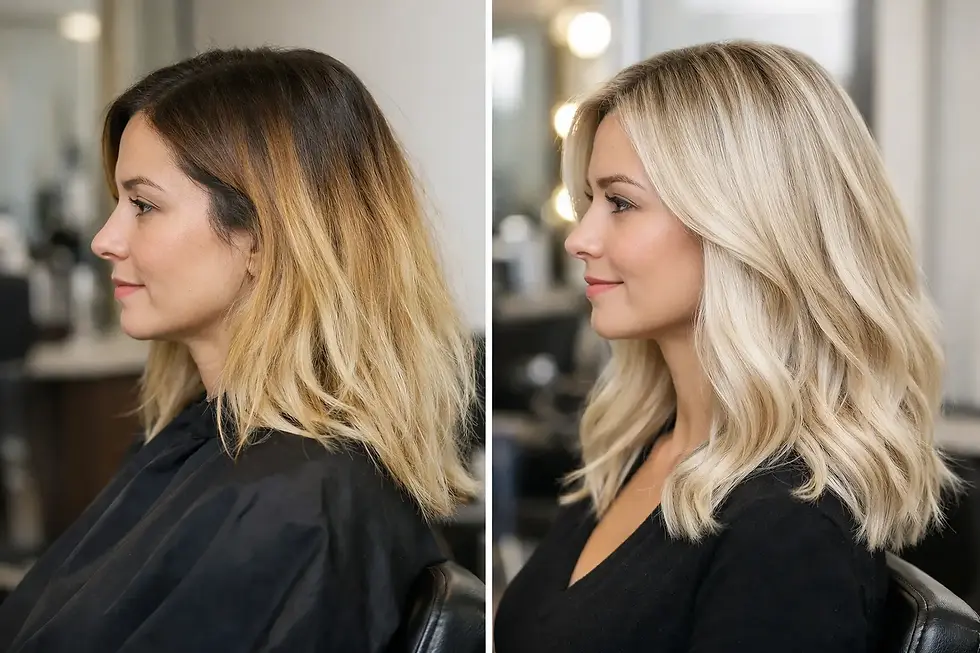
Colour correction is the process of fixing unwanted colour results from previous salon work, at-home dye, uneven lightening, banding, patchiness, over-toning or a shade that simply does not suit the client. Sometimes the issue is dramatic. Just as often, it is more subtle - flat-looking balayage, brassy sections around the face, grey coverage that reads too dense, or dark box dye that has left the hair looking heavy.
The word correction can sound like a quick fix, but in practice it covers a wide range of technical work. One client may need careful lifting through old artificial pigment. Another may need warmth reintroduced so blonde does not look hollow or dull. In some cases, the best correction is actually softening the target and moving towards a more wearable, lower-maintenance finish rather than chasing a major transformation in one sitting.
That is where specialist judgement matters. The right plan depends on your current colour, hair condition, colour history and how much maintenance you want going forward.
Why hair colour correction in London often needs a specialist approach
In a busy city, many clients come in after trying different salons, fitting appointments around work, or attempting to fix the issue themselves between visits. By the time they book a correction, the hair often has several layers of colour history. That history matters more than many people realise.
Old tint, toner build-up, previous bleach, hard water, heat styling and home products can all affect how the hair responds. Two people may show the same reference photo and need completely different correction plans. One may lift cleanly. The other may need a gentler staged approach with bond-building support such as Olaplex and a focus on preserving strength first.
This is why colour correction should not be treated like a standard full head colour. It needs time, assessment and a stylist who is comfortable making decisions as the hair responds.
The most common colour problems clients want fixed
Some colour issues are obvious the moment you look in the mirror. Others become more frustrating over time, especially when the hair is hard to style or the colour never looks right in daylight.
A very common concern is unwanted warmth. This can show up as orange bands through brunette lightening, yellow blonde that never looks clean, or coppery roots that do not blend with the rest of the hair. Warmth is not always bad, but uncontrolled warmth tends to make the colour look accidental rather than polished.
Another frequent problem is unevenness. This might be patchy bleach, dark overlap on previously lightened ends, balayage that starts too high on one side, or heavy foils that have left the hair looking stripy. Grey blending can also go wrong when the result is too flat or too blocky, especially around the front hairline.
Then there is over-darkened hair. Repeated glosses, box dye or toner layering can leave the colour looking matte and solid, with no movement through the lengths. Correcting that often means removing artificial depth carefully rather than attacking the hair with strong lightener straight away.
What to expect at a hair colour correction London appointment
The consultation is the most important part. Before any formula is mixed, the hair needs to be assessed in natural light where possible, with attention paid to porosity, elasticity, previous colour, breakage risk and your target result. Photos help, but they are only useful when matched with an honest conversation about what your hair can realistically do.
Expect detailed questions. What colour have you used at home? Was the previous appointment permanent tint, semi-permanent gloss or bleach? Have you had keratin, extensions or a recent toner? Small details can change the entire plan.
In many cases, a correction starts with a strand test or a conservative first step. That might mean removing unwanted pigment, breaking up dark areas, rebalancing warmth, or refining old balayage to create a more natural transition. Toning usually comes later, once the base has been corrected properly.
Timing varies. Some corrections can be completed in one long appointment. Others are safer when split across two or more visits. Clients do not always love hearing that, but staged work often gives the better result. It protects the condition of the hair and allows the finish to look intentional rather than rushed.
Healthy hair has to stay part of the plan
The best colour result is not always the lightest one. If the hair is already compromised, pushing for maximum lift can create more dryness, breakage and uneven tone. A premium correction should balance visual improvement with long-term condition.
That may mean choosing a softer brunette, a more dimensional blonde, or a beige and honey finish instead of an icy tone that demands too much from the hair. It may also mean scheduling a treatment-led appointment before chasing further lightness. Olaplex, careful processing and the right aftercare all have a place here, but none of them replace sensible colour decisions.
Clients often feel reassured when they understand this trade-off. A slower plan can still be a transformative one. Hair that looks healthy, moves well and reflects light will nearly always look more expensive than hair that has been over-processed for the sake of a trend.
When one appointment is enough and when it is not
It depends on the starting point. If the problem is mainly tone - for example, overly ashy blonde, faded balayage or warmth that needs refining - one appointment may be enough to rebalance and refresh the colour.
If there is heavy banding, black box dye, uneven bleach or significant damage, more than one session is often the safer route. That does not mean the first visit is not worthwhile. Even one correction appointment can make the hair look cleaner, softer and more wearable, while setting up a stronger result later.
For busy London clients, maintenance also matters. There is little value in creating a high-lift result that requires constant upkeep if your lifestyle suits a more blended finish. A good correction should work with your routine, not against it.
Choosing the right colour correction specialist
Experience matters, but so does approach. You want someone who is honest about limitations, clear about process and focused on the whole result - tone, placement, condition and future maintenance. If a stylist promises a dramatic fix without discussing hair history or health, that is usually a red flag.
Look for work that feels consistent and wearable. Strong correction results do not always look dramatic on social media. Often the real skill is in making the hair look natural again - cleaner blonde, softer root shadow, balanced brunette, more believable grey blending, and a finish that suits the client's skin tone and daily life.
For clients seeking one-to-one attention in East London, that calmer specialist approach can make a big difference. Colour correction is not about rushing through a formula. It is about making careful technical choices so the end result looks effortless.
Aftercare matters more than most people think
Freshly corrected hair needs the right support at home. Heat protection, moisture balance, suitable shampoo and realistic styling habits all help maintain the finish. Purple shampoo, for example, can be useful for some blondes, but overuse can leave the tone flat or grabby. Rich masks can help dry ends, but heavy products on fine hair may reduce movement and make colour look dull.
After a correction, your maintenance plan should be simple and specific. That may include gloss appointments, a root refresh, a balayage top-up, a trim, or occasional bond-building treatment depending on the service performed.
A good correction does not end at the basin. It should leave you knowing how to keep the colour looking polished between visits.
When colour has gone off track, the goal is not just to fix a problem on the day. It is to move your hair back into a place where it looks healthy, wearable and consistently right for you.
See Real Results
Explore real client results from Sara Styles Hair in East London: View on Instagram
Book Your Appointment
Book your appointment at Sara Styles Hair in Bethnal Green, East London: Book Now


Comments