

Is Colour Correction Worth It for Your Hair?

A colour appointment should leave you feeling more like yourself, not more aware of uneven bands, unwanted warmth or brittle ends. So, is colour correction worth it? For many clients, yes - when the goal is to restore a flattering, wearable colour while protecting the condition of the hair. The value is not simply in changing the shade. It is in having a clear plan, realistic expectations and the technical care to avoid creating a bigger problem.
At Sara Styles Hair in Bethnal Green, colour correction is approached as a considered process rather than a rushed transformation. Some corrections can be completed in one appointment; others need time, treatments and carefully spaced sessions. Knowing which applies to your hair is what makes the investment worthwhile.
What counts as colour correction?
Colour correction is any professional work needed to rebalance, remove or refine unwanted colour results. It can mean softening harsh regrowth, blending a patchy home colour, reducing orange or yellow tones, correcting overly dark lengths, or lifting old box dye before moving towards a lighter result.
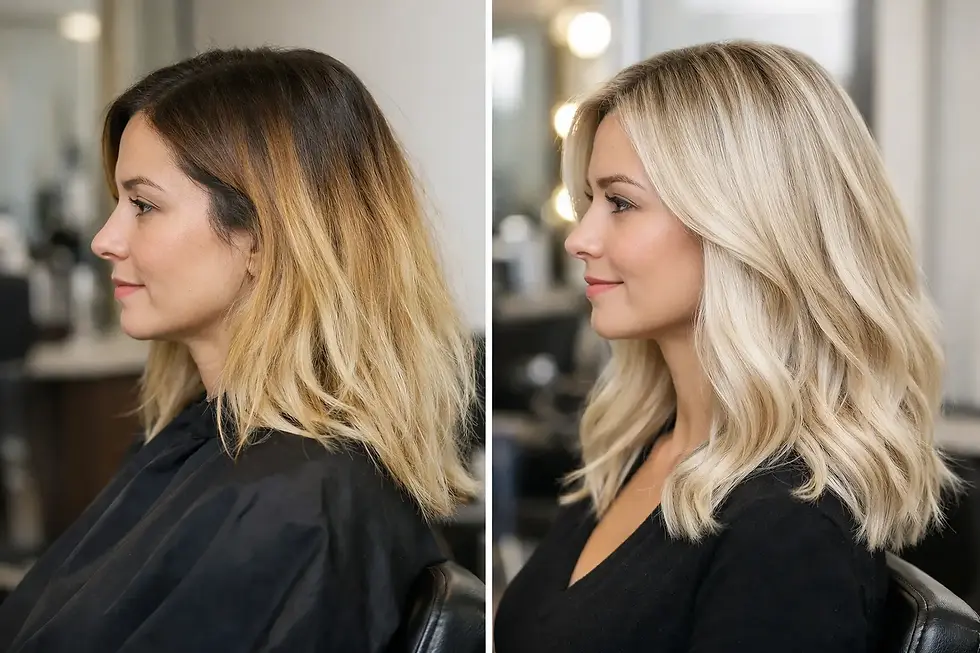
It also covers more subtle concerns. Perhaps your balayage has become stripy, your blonde no longer looks bright around the face, or your grey coverage has grown out with a strong line. A correction does not always need to be dramatic. Often, the best outcome is one that looks polished and natural, with a more even tone from root to end.
The challenge is that hair colour has a history. Previous permanent colour, glosses, toners, lightener, heat styling and even mineral build-up can all affect how the hair responds. Two people asking for the same result may need completely different services.
Is colour correction worth it when hair is damaged?
This is where specialist advice matters most. If your hair feels dry, breaks easily or has already been lightened repeatedly, pushing for an immediate dramatic change may not be the right choice. A careful correction can still be worthwhile, but the first appointment may focus on making the colour softer and more even rather than trying to reach the final shade straight away.
For example, moving from dark, uneven colour to a clean pale blonde is rarely a one-step service if the hair is to remain healthy. It may be safer to lift selected areas, neutralise warmth and create a believable blend, then continue gradually. This can feel slower, but it protects the length you have worked hard to grow.
Bond-building care such as Olaplex can support the hair during chemical services, while a tailored home-care routine helps preserve the work between visits. Treatments are not a shortcut that makes every colour change risk-free, but they are a useful part of managing condition. If the hair needs a pause, an honest stylist will say so.
What you are paying for beyond the colour
Colour correction appointments often cost more than a standard colour service because they involve more time, product and decision-making. The stylist may need to assess sections separately, use different formulas through the hair, remove artificial pigment, lighten carefully, tone more than once and finish with a treatment.
You are also paying for restraint. It takes experience to know when not to lighten another level, when to change the plan because the hair is reacting differently than expected, and when a softer result will look more expensive than an over-processed one.
A correction should not be priced as a vague promise of a complete overhaul. A proper consultation sets out what can realistically be achieved, whether it is likely to take more than one session and what maintenance will look like afterwards. This is particularly important if you are correcting box dye, a previous colour service or heavily highlighted hair.
When colour correction is a good investment
It is usually worth booking when your current colour is affecting how you feel about your hair day-to-day. You may be avoiding wearing it down because the ends are too dark, covering the roots because the contrast feels harsh, or finding that the tone looks brassy in every photo. A well-planned correction can make styling easier because the colour works with your haircut, skin tone and natural regrowth.
It is also a sensible choice before investing in extensions. Tape hair extensions blend best into hair that has a consistent tone and thoughtful dimension. If the base is patchy or has a heavy colour line, a small correction beforehand can make the final result look far more natural.
Clients who want to transition towards softer balayage or grey blending often benefit from correction work too. Instead of repeatedly covering everything with a flat, dark shade, strategic placement can diffuse the contrast and make future maintenance less demanding. The aim is not to chase a trend at every appointment. It is to create colour that continues to look good as it grows.
When it may be better to wait
Not every concern needs an immediate full correction. If your hair is extremely fragile, if you have recently used a colour remover or bleach at home, or if you need a major change for a specific event within days, the safest answer may be to wait or choose a gentler temporary adjustment.
A toner, gloss, root smudge or carefully placed lowlights may improve the overall look without putting more pressure on the hair. In other cases, a fresh cut and conditioning plan can be the most valuable first step. This is not settling for less. It is protecting the possibility of achieving your preferred colour later.
It can also be worth waiting if the result you want is based on a heavily edited inspiration photo rather than your own starting point. Good colour is personal. Your natural depth, previous colour and hair density all influence what will look believable and how much work is required.
How to prepare for a colour correction consultation
Bring clear photographs of your hair in natural light, including the back and underneath if possible. Share a simple history of what has been used on your hair over the last few years, especially permanent box colour, henna, dark dyes, bleach and smoothing treatments. Being open about this helps avoid unwanted surprises during the service.
Bring inspiration images, but use them as a guide rather than a guarantee. It is helpful to explain what you like about the image: softer roots, less gold, brighter pieces around the face, or a more blended finish. That gives your stylist useful direction while leaving room to tailor the colour to your own hair.
A patch test may be needed before colour services, and a test strand can be recommended when there is a complicated history. These small steps give a clearer picture of how the hair will lift and help build a safer plan.
Choosing the result that will still work in six weeks
The most satisfying corrections are not always the lightest or most dramatic ones. They are the ones that remain flattering once the salon finish has softened. A lived-in balayage, blended brunette or dimensional blonde can offer a gentler regrowth line and a more manageable maintenance routine than a high-contrast all-over change.
Think about how often you genuinely want to return for colour, how you wear your hair, and whether you are willing to use the recommended care at home. A specialist colour plan should fit your real life, not create a cycle of expensive fixes every few weeks.
If you are unhappy with your current colour, a consultation is the right place to ask direct questions: what is achievable today, what needs more time, and what will keep your hair feeling healthy? The right correction is not about perfection in one sitting. It is about leaving with hair that looks considered, feels better cared for and gives you confidence when you catch your reflection.
See Real Results
Explore real client results from Sara Styles Hair in East London: View on Instagram
Book Your Appointment
Book your appointment at Sara Styles Hair in Bethnal Green, East London: Book Now


Comments