

How to Fix Brassy Blonde Hair Without Overtoning

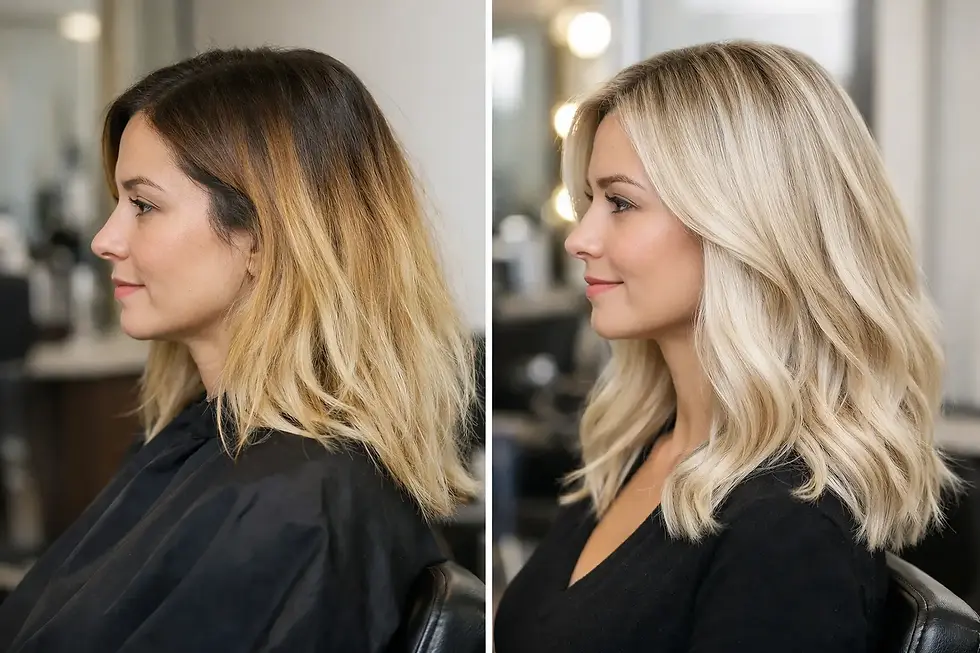
That fresh, expensive-looking blonde can start to look warm far sooner than expected. If you are trying to fix brassy blonde hair, the answer is not always a stronger purple shampoo or another box dye. The best approach depends on whether the warmth is sitting on the surface, showing through from the lift, or revealing an uneven previous colour service.
Brassiness is common, especially with balayage, highlighted blondes and colour that has been lightened from a naturally darker base. With the right care and, where needed, a precise salon toner, blonde can look cleaner, softer and more wearable without compromising the condition of your hair.
Why Blonde Hair Turns Brassy
When hair is lightened, its underlying warm pigments are exposed. Darker hair naturally lifts through red, orange and gold before it reaches pale yellow. A colourist works carefully through those stages to create the right level of lift, but warmth can reappear as a toner fades or when the hair has not been lifted quite far enough for the chosen blonde result.
Water quality can also play a part. Mineral build-up, swimming, heat styling, sun exposure and some styling products can leave blonde looking dull, yellow or orange. It is not always that the original colour has gone wrong. Often, the blonde simply needs the right refresh rather than more bleaching.
The shade of brassiness matters. Pale yellow tones respond differently to orange or copper tones, and this is where home care can become misleading. Purple neutralises yellow, while blue counters orange. Using the wrong pigmented product can make very little difference, or leave pale porous pieces looking flat or slightly violet.
How to Fix Brassy Blonde Hair at Home
For mild yellow warmth, a good violet shampoo or mask can be useful between salon appointments. Apply it to damp hair, distribute it evenly, and follow the recommended development time rather than leaving it on indefinitely. Blonde hair can be porous through the ends, so those areas often grab pigment first.
Use purple shampoo as maintenance, not as your everyday cleanser. Once or twice a week is enough for many blondes, with a moisturising shampoo on other wash days. Overusing strong toning products can make hair feel dry and can create an uneven, smoky result that does not look like a fresh salon blonde.
If the hair feels rough, tangles easily or has lost shine, prioritise condition before adding more tone. A bond-building treatment, nourishing mask and heat protection will help the hair reflect light more evenly. This can make blonde look brighter even before the colour itself is adjusted.
It is also worth checking the simple causes. Rinse hair well after swimming, use a clarifying treatment only when build-up is present, and avoid very hot water where possible. If you live in an area with hard water, mineral deposits can make a clean blonde look warmer and duller over time.
When Purple Shampoo Will Not Be Enough
Purple shampoo cannot lighten hair. If your blonde is distinctly orange, banded, patchy or much darker at the roots and mids than expected, it needs a professional assessment. The underlying warmth may be too strong for a surface toner to neutralise without making the finish muddy.
This is particularly relevant after a home colour attempt or a previous bleach service that has lifted unevenly. Trying to repeatedly tone over orange hair can lead to khaki tones, dull ends and a colour that still does not look blonde. Trying to lighten it again without a plan can cause unnecessary breakage.
At Sara Styles Hair, a correction appointment begins by looking at the current level of lift, previous colour history, porosity and the hair’s overall strength. The aim is not simply to remove warmth at any cost. It is to create a believable blonde that suits your skin tone and can be maintained without pushing the hair beyond its limits.
Sometimes the right answer is a gloss or toner. In other cases, carefully placed foils or a soft balayage refresh are needed to lift selected areas before toning. If the hair is fragile, a staged plan may be safer than trying to achieve the lightest possible blonde in one visit. Healthy, polished hair will always look more premium than over-processed hair with a short-lived icy tone.
Choosing the Right Toner for Your Blonde
Toner is not one-size-fits-all. A bright, creamy beige blonde may need a soft violet-gold balance, while a cooler champagne blonde needs a more neutralising formula. Very ashy results can look beautiful, but they are not automatically the most flattering choice, especially when the natural hair colour, complexion or maintenance routine calls for a warmer finish.
A professional toner can refine the blonde after lifting, blend different tones through balayage and restore shine. It is a temporary adjustment, so it will gradually fade with washing. That is normal, not a sign that the colour has failed.
For clients who want a lower-maintenance blonde, a lived-in root and softly blended highlights usually grow out more comfortably than a full root-to-end bleach. The contrast is gentler, and a toner refresh between larger colour appointments keeps the result looking intentional. For someone who likes a very bright, cool blonde, more frequent toning appointments and thoughtful home care are usually part of the commitment.
Avoid These Common Brassiness Fixes
The quickest-looking solution is often the one that creates a more complicated correction later. Avoid applying box dye or a dark ash colour over brassy highlights. Permanent colour will not reliably cancel warmth in pre-lightened hair, and it can leave the blonde uneven or difficult to lift again.
Be cautious with DIY toner formulas too. A toner that is too dark can make the lightest pieces look grey, while a formula that is too weak will not shift orange warmth. Mixing products without understanding the level and underlying pigment can create unpredictable results.
Try not to use purple shampoo immediately before a colour appointment unless your stylist has advised it. Heavy pigment or product build-up can make it harder to see the true tone of the blonde. Arriving with clean, dry hair and an honest colour history gives your stylist the clearest starting point.
Keep Your Blonde Clear Between Appointments
The most effective maintenance routine is usually simple and consistent. Use a colour-safe shampoo, alternate toning care with moisture, apply heat protection every time you blow-dry or style, and book a gloss when the blonde starts to lose its clean finish. Regular trims also prevent dry, porous ends from making the entire colour look less refined.
Tape extensions need the same thoughtful approach. If your natural hair and extensions are coloured blonde, both should be kept hydrated and protected from highly pigmented products that may take differently through each texture. A specialist can help you choose a tone and maintenance plan that keeps the blend natural from root to ends.
If your hair is repeatedly becoming brassy only days after toning, mention it at your appointment. It may point to hard water, styling products, frequent swimming or a blonde shade that needs a different formulation. Small changes to the plan can make a noticeable difference to how long the colour stays fresh.
A beautiful blonde should still look like your hair, only brighter, healthier and more considered. If brassiness is affecting your confidence, a calm consultation with an experienced colourist in Bethnal Green can replace trial-and-error with a realistic plan for the blonde you actually want.


Comments