

How to Choose Hair Colour That Suits You

A beautiful hair colour should look considered, not simply different. The most successful colour choices work with your complexion, natural base, haircut, maintenance routine and hair condition. If you are wondering how to choose hair colour, start by thinking about the result you want to see in the mirror every day, rather than choosing a shade from one photograph.
A good consultation is where the real decision happens. Your stylist should look at your natural depth, previous colour history, regrowth, grey pattern and the strength of your hair before recommending a direction. This is particularly important if you have coloured your hair at home, have old highlights through the lengths or are hoping to make a noticeable change.
Start With Your Natural Base and Skin Tone
Your natural hair colour gives a useful starting point. Moving a little lighter, deeper, warmer or cooler than your base is often more flattering and easier to maintain than working against it completely. That does not mean you cannot go for a bigger transformation, but it helps set realistic expectations around the appointments, condition and upkeep involved.
Skin tone matters, although it is not a strict set of rules. Warmer complexions often suit golden beige, honey, caramel and soft copper tones beautifully. Cooler complexions can look particularly fresh with ashier brunettes, mushroom blondes, cool beige or pearl tones. Many people have neutral undertones and can wear either direction, depending on whether they want their colour to feel warm, bright, rich or understated.
Your eye colour, wardrobe and make-up habits can also help guide the choice. If you regularly wear gold jewellery and warmer make-up, a soft warm blonde or dimensional brunette may feel naturally in keeping with your style. If silver jewellery, black tailoring and cooler make-up are your preference, a cleaner ashier finish could feel more like you. The goal is not to follow a formula. It is to choose a shade that makes your skin look rested and your features look defined.
Think About the Finish, Not Just the Shade
When clients ask how to choose hair colour, I encourage them to describe the finish they like. Two people can ask for blonde and mean completely different things. One may want bright, lifted highlights from the root; another may want a lived-in balayage with a soft shadow and subtle brightness around the face.
Balayage is a good option if you want dimension with a softer grow-out. It is painted to create lightness through the mid-lengths and ends, usually with less visible regrowth than a traditional full head of highlights. It can be warm and sun-kissed, cool and blended, or rich and low contrast depending on your natural base and the placement used.
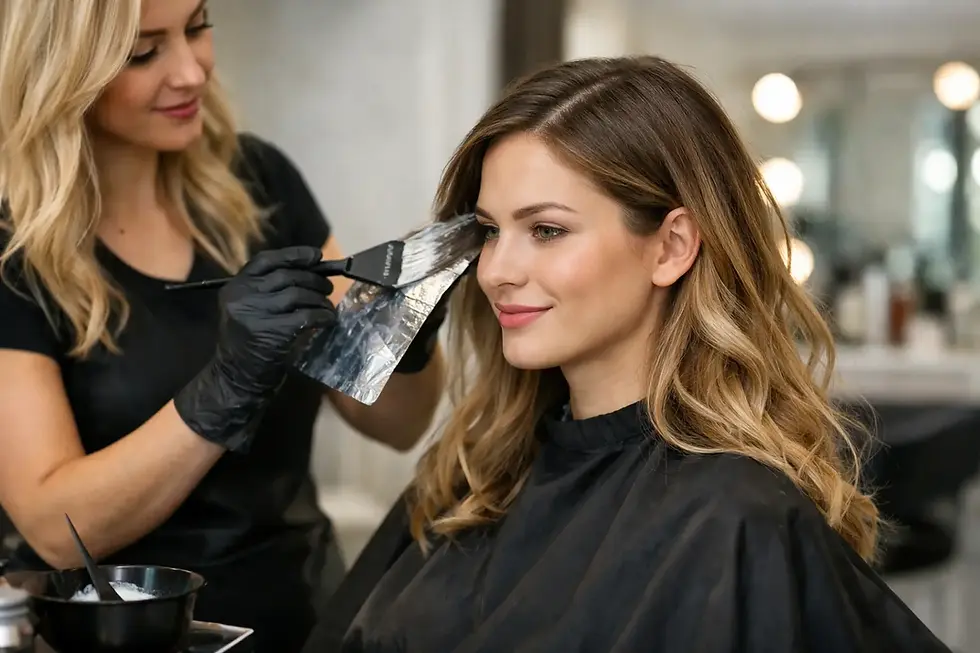
Foiled highlights can be a better choice when you want a brighter lift, more even blonde coverage or a more defined result close to the roots. Babylights offer a finer, delicate finish, while a mixture of highlights and lowlights can add depth to hair that has become too flat or overly light.
For brunettes, dimension is often the difference between colour that looks blocky and colour that looks expensive. Fine ribbons of caramel, mocha, chestnut or soft beige can bring movement to dark hair without losing the richness that makes brunette shades so striking.
Be Honest About Your Maintenance Routine
The right colour needs to suit your real diary, not your ideal one. A very bright blonde with root-to-tip lightening can require regular appointments, careful home care and occasional toning to keep it looking fresh. A root melt, balayage or soft highlight placement can give you a polished result while allowing more time between colour appointments.
Ask yourself how often you are comfortable coming to the salon, how much time you spend styling your hair and whether you are happy using colour-safe products at home. There is no right answer. High-maintenance colour can be worth it if you love the look and enjoy keeping it refined. Lower-maintenance colour is not a compromise when it has been designed well - it can look intentional, modern and beautifully blended as it grows.
Grey coverage is another point where lifestyle matters. If you prefer a more covered finish, root colour appointments may need to be more regular. If constant root maintenance does not appeal, grey blending can be a softer alternative. Fine highlights, lowlights and a carefully chosen toner can diffuse the contrast between grey and your natural hair, creating a more natural grow-out.
Let Hair Condition Shape the Plan
Hair colour should never be chosen separately from hair health. Lightening is a chemical process, and previously coloured or fragile hair may not safely reach a pale blonde in one appointment. Trying to force the process can lead to dryness, breakage and colour that does not hold well.
A skilled colour plan may involve lifting gradually, correcting uneven bands from old colour, adding depth before going lighter, or choosing a warmer tone that is achievable while protecting the hair. This can feel slower than a dramatic one-visit change, but the result is more wearable and far more likely to stay looking good.
If your hair is dry, weakened or prone to snapping, treatments such as Olaplex can support the hair during a colour journey. Regular trims, heat protection and a suitable home-care routine also make a visible difference to shine and colour longevity. If smoothness is your priority, a keratin treatment may be worth discussing separately, as it can help reduce frizz and make styled hair feel more manageable.
Colour correction needs particular care. Uneven blonde, dark box dye, unwanted warmth and patchy previous highlights all need a tailored approach. The safest route is often a staged plan, especially where the hair has a complex history. A consultation and, where needed, a strand test will give a clearer picture of what can be achieved without compromising condition.
Use Photos Properly at Your Consultation
Inspiration photos are useful, but they should be used as a conversation starter rather than a promise. Lighting, filters, extensions, natural hair density and the model's starting colour all affect what you see online. Bring a few images that show the elements you like: brightness around the face, a rooted look, warm tones, cool tones, contrast or softness.
It is equally helpful to show examples you do not like. Perhaps you dislike yellow blonde, very dark roots, obvious stripes or overly red warmth. These details help your stylist understand your personal version of a colour, rather than relying on broad labels such as blonde, brunette or caramel.
At Sara Styles Hair, consultations are designed around your hair rather than a one-size-fits-all colour menu. For clients in Bethnal Green, Shoreditch and Hackney, that means considering your existing colour, appointment schedule and the result you can realistically maintain between visits.
Consider Colour Alongside Your Cut and Extensions
Your haircut changes how colour reads. A blunt bob can make a bold, clean colour look especially polished, while layers can show off the movement in balayage, highlights and dimensional brunette work. Face-framing lightness can also be placed to work with your fringe, parting and usual styling habits.
If you wear tape hair extensions or are considering them for added length or volume, colour matching deserves extra attention. Extensions should blend with the root, mid-lengths and ends, not just one part of the hair. Sometimes that involves choosing a mix of shades or adding carefully placed colour to your natural hair first, so the final result looks convincing whether your hair is straight, waved or tied up.
Choose a Colour You Will Enjoy Living With
The most flattering shade is often the one that feels like you, only more polished. It may be a brighter blonde, a softer grey blend, a rich brunette with movement or a carefully corrected colour that finally looks even again. Trend-led shades can be fun, but they work best when adapted to your features and your hair's limits.
Give your stylist clear information about previous colour, home colouring, medication changes, sensitivity and your usual routine. Then allow the plan to be shaped by professional judgement, not just the final photo. The right hair colour should leave you feeling confident when you leave the salon and still pleased with it weeks later as you live your normal life.
See Real Results
Explore real client results from Sara Styles Hair in East London: View on Instagram
Book Your Appointment
Book your appointment at Sara Styles Hair in Bethnal Green, East London: Book Now


Comments